 revebit
Two approaches, two different records
A photo journal might contain a picture of each sketch you make or a snapshot of your balcony plants each week. The pictures are the record. You can look back and compare what changed, even if you never count a streak.
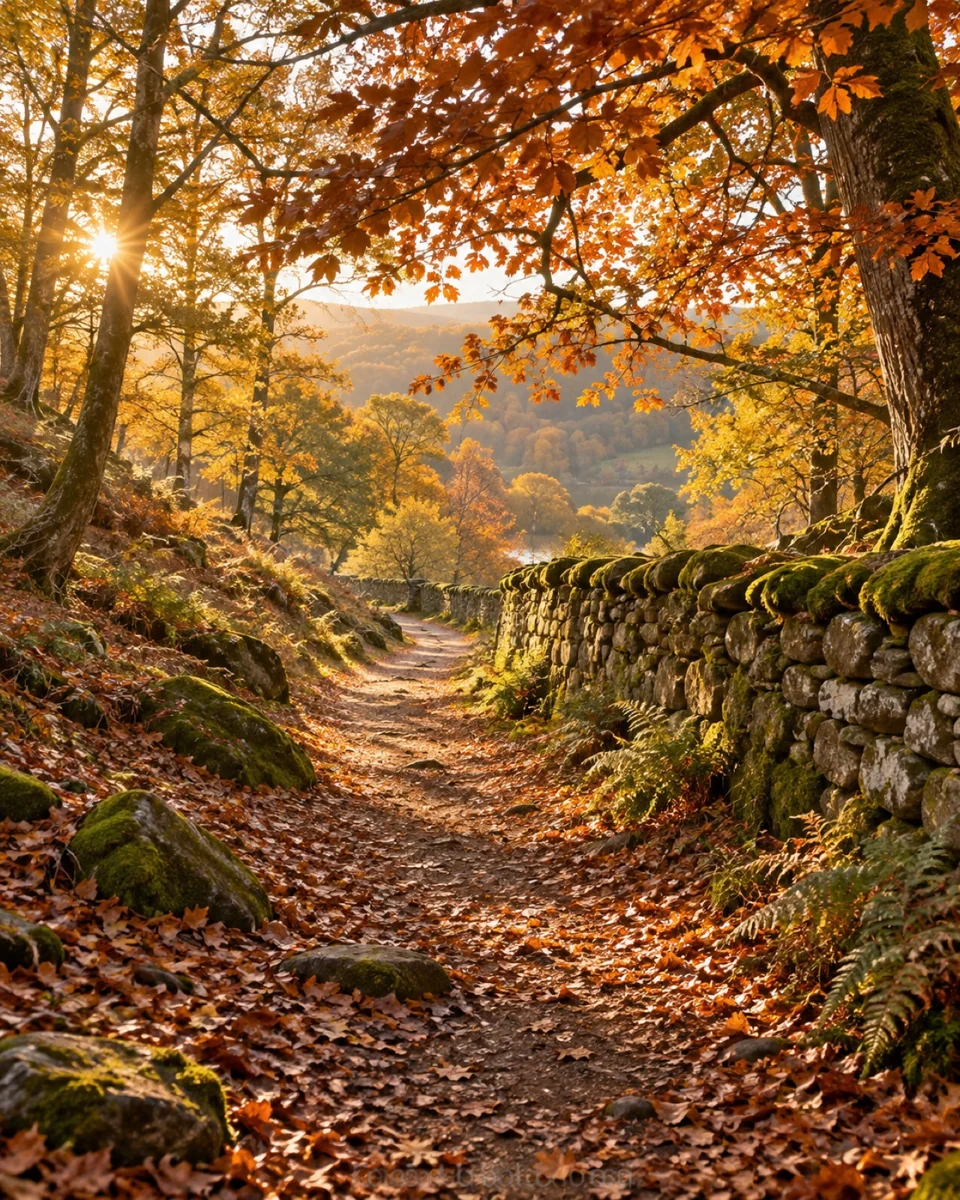
A photo reveal might use one landscape you love. Each recorded completion uncovers more of that picture according to the tracker’s progress rules. The picture represents your tracking progress; it is not photographic proof that you performed the action.
That distinction matters when choosing a tool. Decide whether you want to document the activity itself or enjoy a visual destination while keeping a separate completion record.
Compare the everyday effort
| Question | Photo journal | Photo reveal |
|---|---|---|
| What image do I use? | A new photo of a session or result. | An image chosen for the reveal. |
| Do I need the camera each time? | Usually, when making a new photo entry. | Not for every completion. |
| What does the picture show? | The activity or result you photographed. | Visual progress toward the selected reveal. |
| What can I compare later? | Changes visible across photos. | The tracker’s completion history and visual progress. |
Neither format is inherently better. A useful choice depends on whether taking a picture adds information you want or becomes another step between finishing the habit and recording it.
When a photo journal may fit
Consider a journal when the visible output is part of what you want to remember: daily drawings, a craft project, or a growing collection of handwritten practice pages. A dated photo can show details that a check mark cannot.
Keep the capture rule simple. Decide whether one photo is enough, whether you need a consistent angle, and where you will store the images. If comparing pictures matters, consistent framing is more useful than making every entry look polished.
Also consider the setting. Photographing people, private spaces, or sensitive material creates decisions about permission and storage. You can choose a simpler completion record when a photo is unnecessary for your goal.
When a photo reveal may fit
Consider a reveal when the action has little useful visual evidence, such as reading ten minutes, practicing a language, or doing an everyday household task. A selected photo can give the record a personal visual element without requiring a camera session.
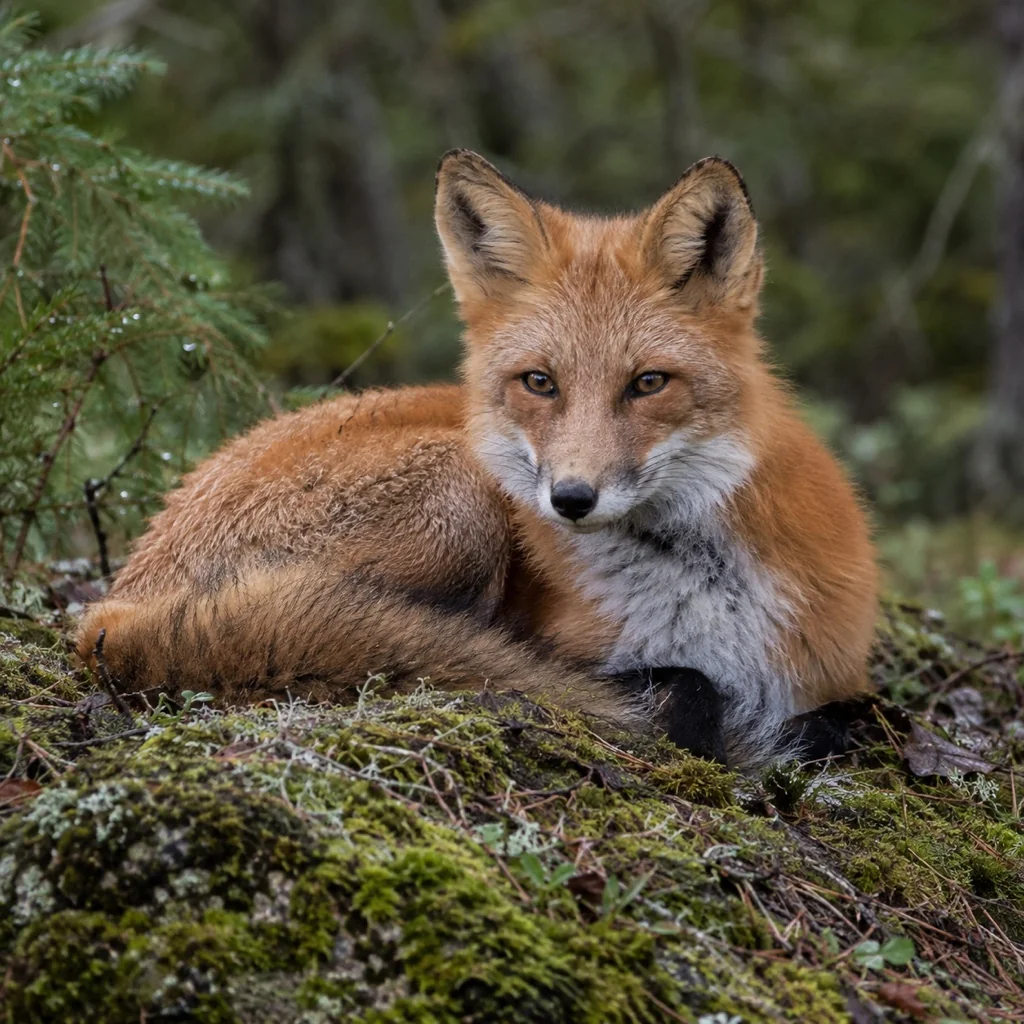
Choose an image you want to return to. A favorite trip, an animal, or a quiet landscape can work. You do not need to pick a picture that literally depicts the habit. What matters is whether you enjoy seeing more of it over time.
In Revebit, the photo reveal experience connects a chosen picture with habit progress. The large Home Screen photo puzzle widget requires Pro. The app’s completion record and the selected progress mode determine what the visual represents.
One habit, three reasonable setups
Imagine you are building a reading routine. A journal could hold a photograph and note about each finished book. A reveal could use a woodland photo while you record daily reading. A plain calendar could simply show which dates you read.
The journal is better suited to remembering books; the reveal gives each recorded session a visual destination; the calendar makes dates easy to scan. You could combine them, but only if the extra recording is useful. Taking a photo, writing a note, and updating two trackers after every short session may be more administration than you want.
Our reading guide starts with a clear completion rule before choosing any display.
Make the choice with a short trial
- Write what information you want to keep.
- Choose the simplest format that preserves it.
- Use it with one habit for a week.
- Notice whether recording is easy after the action.
- Keep or simplify the setup at your next review.
For a broader comparison, read what a visual habit tracker can show. The image should make your record useful or enjoyable; the routine itself still starts with an action you can repeat.